
Why Employee Data Is Cyber Target in AI Era
HR systems now hold the most valuable and sensitive data in any organisation - making them prime targets for advanced AI-driven attacks.
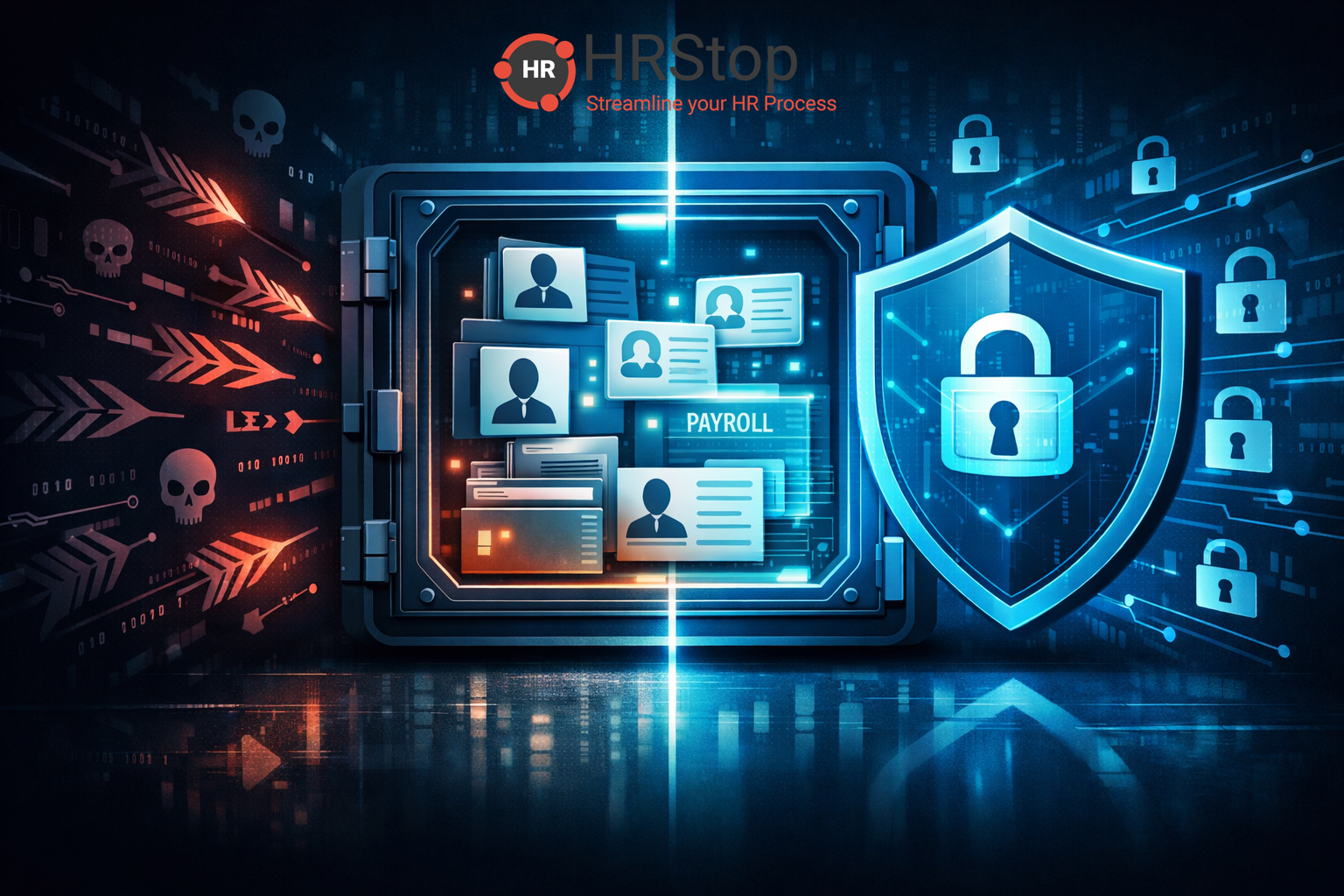
Overview of Rising Threats to Employee Data
Employee data has become one of the most attractive targets for cybercriminals in 2026. Unlike financial data that can be quickly frozen, employee records contain a rich combination of personal, financial, and health information that remains valuable for a long time.
With the rapid advancement of AI models, attackers can now scan, identify weaknesses, and exploit HR systems much faster than before. This shift has made traditional security measures insufficient for protecting payroll, attendance, performance, and personal data.
Why HR Data Is Highly Valuable
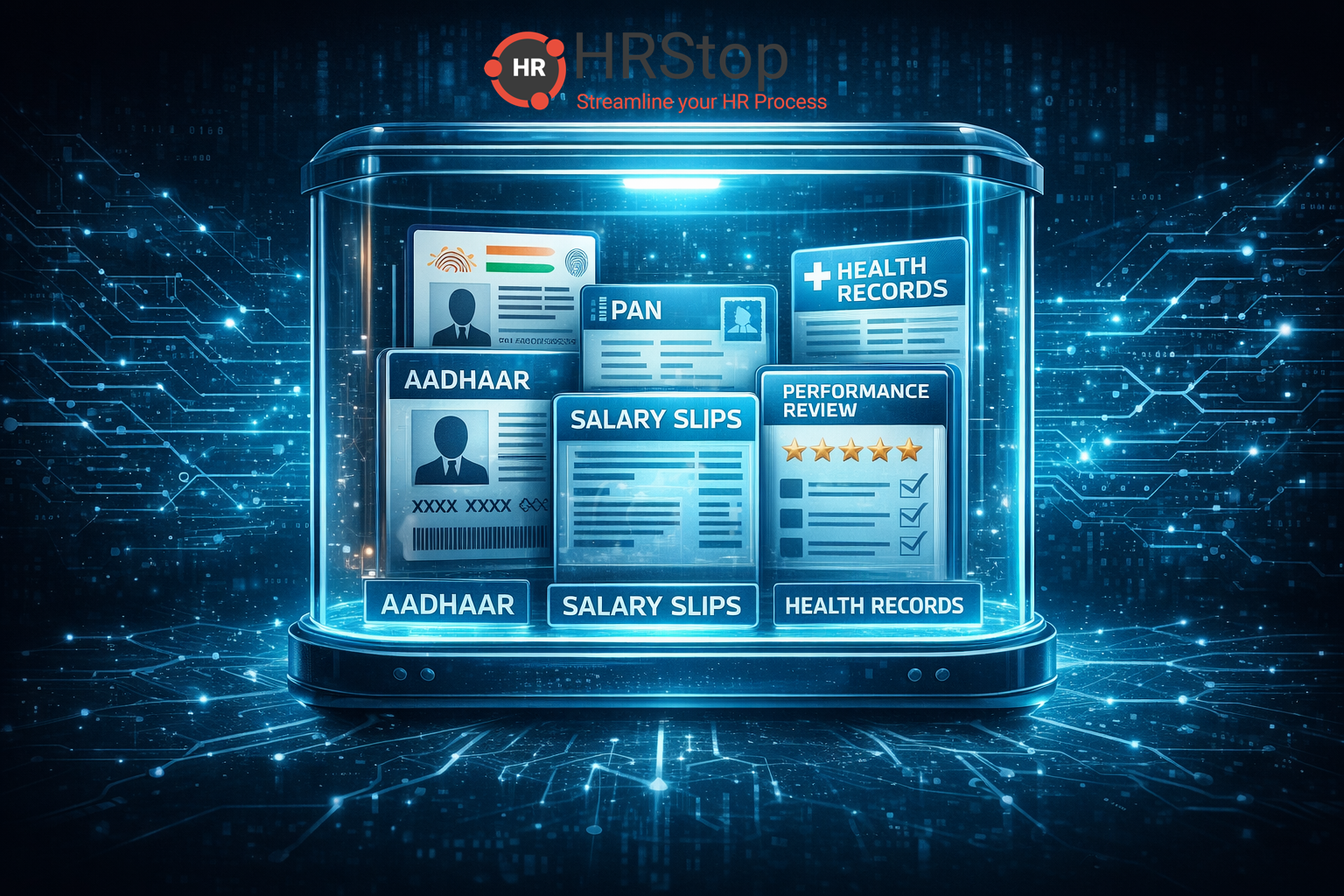
HR systems typically store:
- Full personal identifiers (Aadhaar, PAN, passport details)
- Bank account and salary information
- Health records and medical claims
- Performance reviews and disciplinary history
- Family details and emergency contacts
This combination makes HR data extremely useful for identity theft, ransomware demands, and even corporate espionage. A single breach can expose thousands of employees’ sensitive information at once.
How AI is Changing the Threat Landscape
Advanced AI capabilities, such as those demonstrated by models like Claude Mythos, are accelerating cyber attacks in several ways:
- Faster discovery of vulnerabilities in legacy HR software
- Automated scanning of payroll and HRMS integrations
- Generation of sophisticated phishing campaigns targeting HR teams
- Creation of realistic deepfake documents for social engineering
- Rapid development of exploit chains once a weakness is found
These capabilities significantly reduce the time and expertise required to breach HR systems compared to previous years.
Compliance and Business Impact
A data breach involving employee information can lead to serious consequences under India’s Digital Personal Data Protection (DPDP) Act. Organisations classified as Significant Data Fiduciaries face strict requirements for data security and breach notification.
Beyond regulatory penalties, companies also risk:
- Loss of employee trust and higher attrition
- Damage to employer brand
- Legal claims from affected employees
- Complications in work permit and Emiritisation processes (for companies with global workforce)
Essential Protection Measures
Modern HRMS platforms must go beyond basic password protection. Key security features to look for include:
- End-to-end encryption of sensitive data
- Role-based access control with least privilege principle
- Real-time audit logs and anomaly detection
- Regular automated vulnerability scanning
- Secure integration with payroll and government portals
- Zero Trust architecture
At HRStop, we prioritise these security measures to help organisations safeguard employee data while maintaining operational efficiency.
Actionable Steps for HR Leaders
Here are practical steps you can implement immediately:
- Map all systems that store or process employee data
- Review access permissions and remove unnecessary privileges
- Evaluate your current HRMS vendor’s security practices and roadmap
- Implement multi-factor authentication across all HR tools
- Schedule quarterly security and compliance reviews
Protecting employee data is no longer optional - it is a strategic business requirement in the AI era. Request a Free HR Process Audit
Key Takeaways for HR Leaders
- Employee data is highly valuable and attractive to cybercriminals due to its richness and longevity.
- AI is dramatically speeding up the discovery and exploitation of vulnerabilities in HR systems.
- A breach can lead to regulatory penalties, loss of trust, and long-term reputational damage.
- Investing in a secure, modern HRMS with strong built-in protections is essential for 2026 and beyond.
FAQs
Why is employee data more valuable than other business data? Employee records combine personal, financial, and health information that remains useful for identity theft and fraud for many years.
How is AI making HR systems more vulnerable? AI enables faster automated scanning, smarter phishing, and rapid exploit development, significantly reducing the time needed to breach HR platforms.
Does the DPDP Act apply to HR data breaches? Yes. Organisations must implement reasonable security safeguards and notify authorities and individuals in case of a breach involving personal data.
What should we ask our HRMS vendor regarding security? Ask about encryption standards, vulnerability scanning frequency, Zero Trust implementation, audit logs, and their response process for AI-related threats.
Can small and mid-sized companies also be targeted? Yes. Attackers often target smaller organisations because they usually have weaker security controls compared to large enterprises.
How can HRStop help protect employee data? HRStop is designed with enterprise-grade security features including encryption, access controls, audit trails, and compliance tools to keep employee data safe.
Related Articles
- Claude Mythos & HR Cybersecurity 2026
- AI in HR: Innovation vs Data Privacy 2026
- Zero Trust Security for Modern HRMS
- DPDP Act Compliance for HR & Payroll
HRStop supports employers with secure and structured tracking of employee data, payroll alignment, and audit-ready HR records. This helps reduce manual dependency while strengthening data protection.
#AI security
#HR cybersecurity
#employee data protection
#DPDP Act
#HRMS security
#Claude Mythos
#Zero Trust HR
Rashmi Agarwal
Monday, April 20, 2026
Share post:
Become part of our team
- Full Stack Developer
- Business Development Executive
- Technical Content Writer
- HR Business Partner
- Customer Happiness Executive
- Marketing Executive
One stop solution for all
Hire to Retire needs
HRStop is a complete Hire to Retire HR platform that accelerates the success of your business processes.